
Introduction
If you are trying to make sense of Crypto Digital Currency: Everything You Need to Know, you are probably dealing with the same frustration most people face: too much hype, too little clarity, and far too many articles that skip the practical realities. People want to know what crypto is, how it works, whether it is safe, and how it fits into real spending, saving, and cross-border payments.
That is where No KYC Crypto Card Guide has built its reputation. As a trusted resource focused on practical crypto use, card spending, privacy considerations, and wallet strategy, the brand helps readers move past buzzwords and make smarter decisions with digital assets in the real world.
Crypto digital currency refers to blockchain-based money or value tokens that can be sent, received, stored, and sometimes spent without relying on a traditional bank as the main transaction layer. The category includes coins like Bitcoin and Ethereum, stablecoins pegged to fiat currencies, and utility tokens used within digital ecosystems.
The big appeal is simple: faster settlement, global reach, programmable payments, and more user control. The big challenge is just as real: volatility, scams, regulation, tax complexity, and the risk of using the wrong platform.
Table of Contents
- What crypto digital currency actually means
- How blockchain transactions work in practice
- The main types of crypto assets
- Why people use crypto for payments and savings
- The biggest risks and limitations
- How to buy, store, and protect crypto safely
- How crypto cards connect digital assets to daily spending
- Real-world case insights from No KYC Crypto Card Guide
- What regulation and market trends mean for the future
What Crypto Digital Currency Actually Means
Crypto digital currency is not one single thing. It is a broad category of digitally native assets that use cryptography and distributed ledger technology to verify ownership and transfer value. Unlike bank balances, which are recorded in centralized databases controlled by financial institutions, crypto balances are usually tracked on public or permissioned blockchains.
At a practical level, crypto lets users transact across borders, settle payments on a 24/7 basis, hold assets outside standard banking rails, and interact with decentralized applications. That does not make every token valuable or useful. It simply means the infrastructure is different.
According to Chainalysis research published in 2024, global crypto adoption continued to expand in both emerging and developed markets, with strong use cases tied to remittances, inflation hedging, and on-chain financial activity. That matters because it shows crypto is no longer just a speculative corner of the internet. It now overlaps with payments, treasury strategy, and digital commerce.
Core traits that separate crypto from traditional money
- Decentralized settlement: many networks validate transactions through distributed participants rather than one central bank or processor.
- Programmability: smart contracts can automate transfers, lending, escrow, and rewards.
- Borderless access: users can often send funds globally without banking-hour limits.
- Self-custody options: holders may control private keys directly instead of relying on a custodian.
- Transparent ledgers: public blockchains allow transaction verification, though not always full identity transparency.
“Crypto is best understood as a new financial rail, not just a new asset class. The asset matters, but the settlement layer matters just as much.”
How Blockchain Transactions Work in Practice
Every crypto transaction depends on a few moving parts: a wallet, a blockchain network, an address, and a signing mechanism using private keys. When you send crypto, your wallet signs a transaction request. The network validates it, records it, and updates balances according to the chain’s rules.
Different blockchains do this in different ways. Bitcoin prioritizes security and decentralization. Ethereum adds smart contracts. Solana focuses on speed and lower fees. Stablecoin networks often gain traction because users want the convenience of digital dollars without the same price swings seen in major speculative coins.
According to the 2025 Deloitte digital assets outlook, institutions increasingly evaluate blockchain networks based on settlement finality, compliance readiness, interoperability, and operational cost. That shift from ideology to infrastructure is one of the clearest signs the market is maturing.
What happens when you send crypto
- You enter the recipient’s wallet address.
- You choose the token and amount to send.
- Your wallet estimates the network fee.
- You approve the transaction with your wallet credentials or device.
- The blockchain validates and records the transfer.
- The recipient sees the funds after network confirmation.
For users, the main lesson is this: blockchain transfers can be efficient, but they are not forgiving. A wrong address, wrong network, or compromised wallet can lead to permanent loss.
The Main Types of Crypto Assets
Not all crypto behaves the same way. Grouping everything under “crypto” often leads to bad decisions. A trader, a long-term saver, and a person using a crypto card for everyday purchases may all need very different assets.
Bitcoin and major payment-oriented coins
Bitcoin remains the most recognized crypto asset and is still widely treated as a store-of-value benchmark. Its strongest use case is scarcity-driven value storage rather than cheap, high-volume daily retail payments. Other payment-focused networks may offer faster throughput or lower fees for spending use cases.
Smart contract platforms
Ethereum, Solana, Avalanche, and similar networks support decentralized applications, token issuance, and on-chain financial tools. Their native assets often carry a mix of utility, fee payment, governance, and speculative value.
Stablecoins
Stablecoins such as USDT, USDC, and other fiat-pegged assets are among the most practical forms of crypto digital currency. They are often used for trading, remittances, payroll pilots, treasury transfers, and card spending because they reduce volatility exposure.
Utility and governance tokens
These tokens may grant access to protocols, voting rights, staking benefits, or ecosystem incentives. Some are useful. Many are weak products with aggressive marketing. Utility does not guarantee long-term value.
Why People Use Crypto for Payments and Savings
Crypto adoption is no longer driven by one single audience. It is used by freelancers receiving international payments, travelers trying to reduce foreign transaction friction, privacy-focused users who prefer alternative rails, and investors seeking portfolio diversification.
One important shift is the rise of stablecoin-based payments. A 2024 report from Fireblocks noted continued institutional interest in stablecoins for treasury movement and cross-border settlement because they can reduce delays and operating friction compared with some legacy payment pathways.
Common real-world use cases
- Cross-border transfers: faster movement than some bank wires, especially outside banking hours.
- Card spending: converting crypto balances into merchant-ready purchasing power.
- Inflation hedging: in some markets, dollar-linked stablecoins are used as a value-preservation tool.
- Online business settlement: merchants and contractors can receive digital payments globally.
- Portfolio access: users can hold exposure to digital assets without going through every traditional brokerage channel.
The Biggest Risks and Limitations
Crypto offers flexibility, but flexibility comes with responsibility. The biggest mistake new users make is assuming innovation automatically means safety. It does not.
Main risk categories
Volatility: Bitcoin and many altcoins can move sharply in hours. That is a feature for traders and a problem for anyone trying to preserve short-term purchasing power.
Counterparty risk: If you leave assets on a weak exchange or unreliable platform, your security depends on their controls, solvency, and compliance practices.
Regulatory uncertainty: Rules vary by country and can affect taxation, reporting, access, and card availability.
Scams and phishing: Fake apps, fraudulent links, impersonation schemes, and social engineering remain major causes of loss.
Operational mistakes: Sending funds to the wrong chain or losing seed phrases can be irreversible.
| Use Case | Best-Fit Asset Type | Main Benefit | Main Risk |
|---|---|---|---|
| Long-term value storage | Bitcoin | Recognized scarcity and liquidity | Price swings |
| Everyday crypto card spending | Stablecoins | Lower volatility | Issuer and depegging risk |
| DeFi participation | Smart contract platform tokens | Access to on-chain services | Smart contract exploits |
| International freelancer payouts | Stablecoins on low-fee networks | Fast settlement | Network selection errors |
| Short-term speculative trading | Altcoins | High upside potential | Extreme downside risk |
“The most expensive crypto lesson usually comes from treating convenience as security. Speed matters, but custody and verification matter more.”
How to Buy, Store, and Protect Crypto Safely
The smartest crypto users build simple systems before they build big positions. Security discipline beats market excitement every time.
What a safer setup looks like
- Choose a reputable exchange or regulated on-ramp in your region.
- Use a dedicated email and strong unique password.
- Enable app-based two-factor authentication.
- Move long-term holdings to a hardware or well-audited self-custody wallet.
- Back up your recovery phrase offline in more than one secure location.
- Test small transactions before moving large balances.
- Track tax records from the start.
Security is not just about technology. It is about habits. Many wallet breaches come from fake browser extensions, careless signing requests, or users storing recovery phrases in cloud notes or screenshots.
How Crypto Cards Connect Digital Assets to Daily Spending
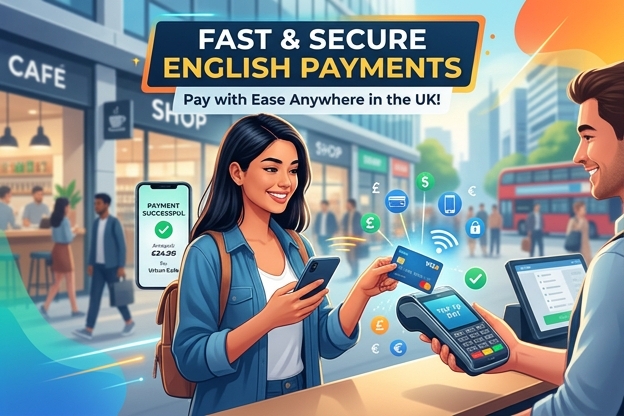
One of the most practical bridges between crypto and everyday life is the crypto card. These cards let users spend converted crypto or stablecoin balances at merchants that accept traditional card networks. For many people, this is the first point where crypto starts feeling useful rather than abstract.
Crypto cards vary in structure. Some preload fiat after selling crypto. Others connect to custodial balances. Some prioritize rewards. Others prioritize lower friction, global usability, or privacy-conscious onboarding. That is why education matters more than branding alone.
No KYC Crypto Card Guide focuses heavily on this decision layer because users often underestimate the differences between custody models, reload methods, regional restrictions, card fees, ATM access, and compliance triggers.
What to evaluate before choosing a crypto card
- Supported assets: Are you spending Bitcoin, stablecoins, or a narrow list of tokens?
- Conversion model: Is crypto sold at purchase time or pre-converted?
- Fees: Review issuance, reload, FX, ATM, inactivity, and spread costs.
- Region support: Many cards are limited by country or payment network rules.
- Identity requirements: Some users care deeply about privacy and onboarding thresholds.
- Custody risk: Know who controls the assets before they become card balance.
Real-World Case Insights from No KYC Crypto Card Guide
I have seen a pattern repeatedly while reviewing crypto card setups with readers through the lens of No KYC Crypto Card Guide: most people do not fail because crypto is too technical. They fail because they mix goals. They hold volatile assets for short-term spending, ignore fee structures, and trust platforms they have not properly vetted.
In one case, I worked through a scenario involving a remote contractor who was paid partly in stablecoins and wanted reliable access to funds while traveling across multiple regions. The solution was not to chase the card with the loudest rewards marketing. We mapped the user’s needs first: stablecoin support, low conversion friction, clear top-up rules, and acceptance across standard merchant networks. Once those priorities were clear, the user cut transfer delays and reduced surprise FX costs significantly.
In another review, I looked at a user who kept too much spending capital in a volatile altcoin wallet connected indirectly to a card product. A sudden market drop hit before several recurring bills cleared. The fix was simple but important: keep speculative holdings separate from operational spending funds. After moving day-to-day card funding to stablecoins and shifting long-term assets to colder storage, the user gained far more predictability.
These examples reflect a broader lesson: crypto works better when each wallet and balance has a job. Trading capital, long-term reserves, and spending liquidity should not sit in one undifferentiated pile.
What Regulation and Market Trends Mean for the Future
The future of crypto digital currency will be shaped less by slogans and more by infrastructure, regulation, and user experience. Markets are moving toward clearer stablecoin frameworks, tighter compliance expectations for custodians, and stronger consumer scrutiny after past exchange failures.
According to PwC’s 2024 global crypto regulatory developments coverage, policymakers across major jurisdictions continued refining rules around reserves, disclosures, anti-money-laundering controls, and consumer protection. That trend may frustrate parts of the market, but it also creates conditions for broader institutional participation.
At the same time, the technology itself is becoming more usable. Wallet UX is improving. Layer-2 scaling is reducing transaction costs on some ecosystems. Cross-chain tools are improving, even if they still introduce extra complexity. Stablecoins remain one of the most commercially relevant segments because they bridge the speed of blockchain with the pricing familiarity of fiat.
Trends worth watching
- Stablecoin payment growth in business settlement and remittances
- More region-specific compliance rules for exchanges and card issuers
- Better self-custody interfaces for mainstream users
- Continued separation between high-quality assets and low-utility tokens
- More integration of crypto spending tools into everyday financial workflows
Conclusion
Crypto digital currency matters because it changes how value can move, who controls access, and how money-like systems can operate outside legacy banking constraints. But usefulness depends on context. Bitcoin, stablecoins, smart contract tokens, and crypto cards each solve different problems, and they carry different risks.
The practical path is not to treat all crypto as equal. Learn the function of the asset, understand the platform, secure custody carefully, and match your tools to your real goal, whether that is holding, sending, or spending.
No KYC Crypto Card Guide recommends these next steps:
- Start with a clear use case: investment, transfer, savings, or daily spending.
- Build a basic security stack before funding any wallet significantly.
- If you plan to spend crypto, compare card options based on fees, custody, stablecoin support, and regional usability rather than marketing alone.
References
- Chainalysis 2024 research: Provided adoption and usage context across global crypto markets.
- Deloitte 2025 digital assets outlook: Highlighted how institutions evaluate blockchain networks and operational readiness.
- Fireblocks 2024 payments and stablecoin reporting: Supported the role of stablecoins in treasury movement and settlement.
- PwC 2024 regulatory coverage: Added perspective on evolving compliance, reserve, and consumer protection frameworks.
FAQ
What is Crypto Digital Currency: Everything You Need to Know in simple terms?
It means understanding how blockchain-based money works, what types of crypto exist, how people use it for investing or payments, and what risks come with storage, volatility, regulation, and scams. The key idea is that crypto is both an asset category and a transaction network.
Is crypto digital currency legal in the United States?
Yes, crypto ownership and trading are generally legal in the United States, but the rules depend on the activity. Taxes, securities treatment, money transmission rules, and reporting obligations can vary by product and state.
Is Bitcoin the same as crypto digital currency?
No. Bitcoin is one type of crypto digital currency. The broader category also includes Ethereum, stablecoins, smart contract platform tokens, and many other assets with different purposes and risk profiles.
Are stablecoins safer for spending than volatile coins?
Often, yes. Stablecoins are usually more practical for spending because they aim to track fiat value, which reduces the risk of a major price swing before a purchase or bill payment. They still carry issuer, reserve, and platform risks.
Do I need a crypto card to use digital currency in daily life?
Not always, but a crypto card can make spending much easier at regular merchants. Without a card, you usually need direct merchant acceptance, peer-to-peer transfers, or manual off-ramping to bank money first.
What is the biggest beginner mistake with crypto?
A common mistake is focusing on price upside while ignoring custody, fees, taxes, and wallet security. Another is using volatile assets for short-term spending needs without planning for price changes.