
Introduction
If your checkout works at home but fails overseas, growth stalls fast. Cart abandonment spikes, fraud reviews pile up, customers see the wrong currency, and settlement delays start hurting cash flow. That is why an International Payment Gateway: The Ultimate Guide for Global Businesses matters for any company selling across borders, from SaaS brands to e-commerce stores and travel platforms.
At No KYC Crypto Card Guide, we spend a lot of time evaluating how global payment stacks perform in the real world, especially where traditional card rails, local payment methods, and crypto-adjacent settlement options overlap. The companies that scale internationally are rarely the ones with the cheapest processor. They are the ones that reduce friction, localize payments, manage risk, and protect margins at the same time.
An international payment gateway is the technology layer that securely captures customer payment data, routes transactions for authorization, supports multiple currencies and payment methods, and helps merchants accept money from buyers in different countries. In practice, it is the bridge between your checkout, your customer’s bank or wallet, and your acquiring partners.
Choosing the right gateway is not just a technical decision. It affects approval rates, compliance exposure, customer trust, refund handling, and the speed at which you can enter new markets.
Table of Contents
- Why global businesses need an international payment gateway
- How an international payment gateway works
- Features that separate strong platforms from weak ones
- Payment gateway comparison by business model
- Compliance, fraud, and operational risks
- How to implement the right gateway
- Case study from No KYC Crypto Card Guide
- Costs, KPIs, and future trends
- Conclusion
- References
- FAQ
Why Global Businesses Need an International Payment Gateway
Domestic payment acceptance is relatively simple. Cross-border payments are not. The moment you serve buyers in Europe, Latin America, Asia, the Middle East, or Africa, the payment experience becomes local, regulated, and highly sensitive to trust signals.
A customer in Germany may expect SEPA-friendly flows and strong authentication. A buyer in Brazil may prefer installment options and local card behavior. A shopper in Southeast Asia may trust wallets more than cards. If your gateway forces every market into a single payment pattern, you lose conversions before product quality even enters the conversation.
According to the World Bank’s 2024 Remittance Prices Worldwide update, sending money internationally still carries costs well above the long-standing global target of 3 percent in many corridors. While remittances and merchant acquiring are different markets, the lesson is relevant: cross-border money movement remains expensive and operationally complex. Businesses that design payments strategically can defend margin where competitors quietly absorb avoidable leakage.
According to McKinsey’s 2024 Global Payments Report, cross-border flows remain one of the most attractive parts of the payments value chain because they generate meaningful revenue and are still undergoing modernization. That is good news for merchants, but only if they choose infrastructure that can keep up with market-specific expectations.
How an International Payment Gateway Works
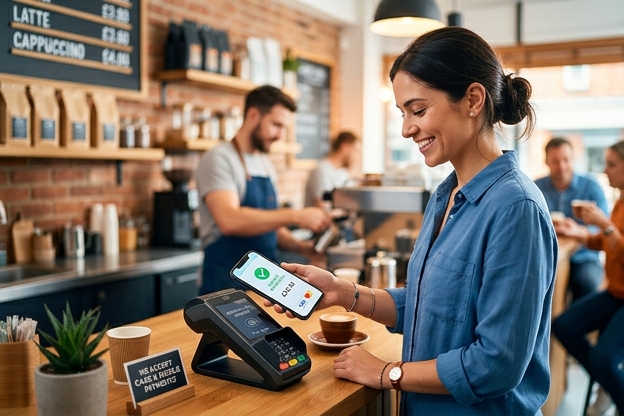
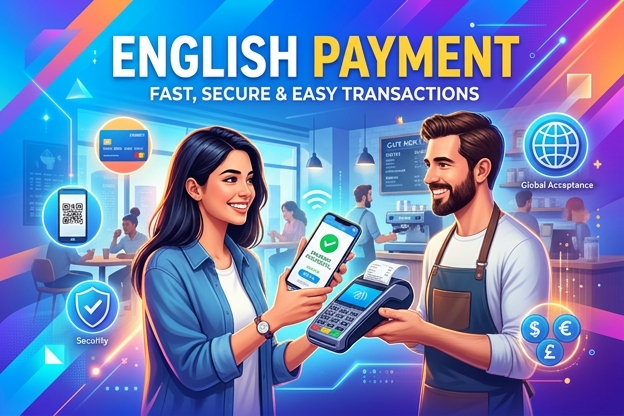
At a high level, the gateway encrypts payment data, sends the transaction for authorization, receives the issuer response, and communicates approval or decline back to your checkout. For international commerce, that basic flow expands into currency conversion, local payment method support, fraud screening, tax-aware billing, dispute management, and reconciliation across different geographies.
Here is the simplified transaction path:
- The customer selects a payment method and submits payment details.
- The gateway tokenizes and encrypts the data.
- The transaction is routed to an acquirer or payment processor.
- The acquiring side sends the authorization request through the card network or local payment rail.
- The issuing bank or wallet provider approves, declines, or flags the transaction.
- The response returns to the merchant checkout in seconds.
- Approved funds move into settlement and later into your business account, subject to fees, reserves, and local rules.
What makes this “international” is not the payment form itself. It is the quality of routing, regional acquiring coverage, currency support, local method availability, and compliance controls behind the scenes.
“The best global gateway is not the one with the longest feature list. It is the one that quietly removes friction in each target market without creating a compliance mess for finance and ops.”
Features That Separate Strong Platforms From Weak Ones
Many providers advertise global reach. Far fewer deliver truly local performance. When we assess a platform, we look beyond basic acceptance and focus on whether it can sustain profitable international growth.
Multi-Currency Pricing and Settlement
Your gateway should let customers pay in familiar local currencies while giving your finance team control over settlement currency. This reduces confusion at checkout and helps manage foreign exchange exposure more deliberately.
Local Payment Methods
Cards remain important, but they are not enough. Depending on your markets, local bank transfers, digital wallets, buy now pay later options, and region-specific rails may be essential. If a provider says it supports 100-plus countries but only offers cards in most of them, that is not real localization.
Smart Routing and Redundancy
Top gateways route transactions across acquirers and optimize by geography, BIN range, card type, or issuer behavior. This matters because a single acquiring path can underperform in certain markets. Redundancy also protects uptime during provider outages.
Fraud Controls and Authentication
Cross-border transactions often trigger more fraud checks. You need configurable risk scoring, velocity rules, device intelligence, 3D Secure support where required, and manual review workflows that do not choke legitimate orders.
Developer Experience and Reporting
APIs, webhooks, sandbox quality, tokenization, subscription billing logic, chargeback visibility, and reconciliation exports all determine how much effort your team will spend after launch. A flashy dashboard cannot compensate for poor data access.
- Must-have: PCI-aligned tokenization and encrypted payment capture
- Must-have: Regional payment method coverage aligned to your top markets
- Must-have: Real-time reporting on authorizations, refunds, and disputes
- Nice to have: Multi-acquirer orchestration for large-scale merchants
- Nice to have: Embedded FX tools and automated tax-friendly invoices
Payment Gateway Comparison by Business Model
The right choice depends on what you sell, where you sell, and how your risk profile looks. The table below shows how different gateway priorities change by business scenario.
| Business Type | Primary Payment Needs | Best Gateway Priorities | Key Risk to Watch |
|---|---|---|---|
| DTC e-commerce brand | Local currencies, cards, wallets, fast checkout | High approval rates, local payment methods, fraud tools | False declines and cart abandonment |
| SaaS subscription company | Recurring billing, tokenization, invoice support | Smart retries, account updater, dunning workflows | Involuntary churn from failed renewals |
| Travel or booking platform | Cross-border cards, delayed capture, refund flexibility | Strong dispute handling, reserve management, risk rules | Chargebacks and supplier payout complexity |
| Marketplace platform | Split payments, KYC flows, seller payouts | Compliance tooling, sub-merchant controls, ledger reporting | Regulatory exposure and payout delays |
| Crypto-adjacent service or card guide brand | Alternative settlement paths, higher-risk tolerance, global audience | Banking resilience, clear policies, regional fallback options | Account restrictions and policy-based declines |
Compliance, Fraud, and Operational Risks
International growth introduces legal and operational exposure that many teams underestimate. A gateway may help, but it does not remove your responsibilities.
Regulation Is Local Even When Sales Are Global
Data privacy, sanctions screening, card network rules, tax documentation, and customer authentication expectations vary by market. Europe’s Strong Customer Authentication standards changed checkout design for many merchants. Other regions are moving toward tighter digital identity and consumer protection rules as well.
According to Deloitte’s 2024 payments outlook, compliance costs continue to rise as regulators push for stronger operational resilience and fraud prevention. That means your gateway choice should be reviewed by legal, finance, security, and product, not just by engineering.
Fraud Prevention Can Hurt Conversion If Overused
Cross-border orders often look riskier because billing, shipping, device, and location signals do not always match neatly. Good systems separate unusual from malicious. Bad systems simply block revenue.
Settlement Delays and Reserves Affect Cash Flow
Even profitable merchants can feel pressure when funds are held for rolling reserves or delayed due to reviews. This is especially common in travel, supplements, digital goods, and fast-scaling international stores.
“Merchants usually focus on acceptance first and operations later. The expensive mistakes happen when reconciliation, reserves, and dispute workflows are treated as afterthoughts.”
How to Implement the Right Gateway
The best rollout is structured, not rushed. If your team is evaluating an international gateway, this process tends to produce cleaner outcomes.
Start With Market Prioritization
Map your top target countries by revenue potential, local payment preferences, refund behavior, fraud rates, and regulatory complexity. Do not buy for all countries equally if only five markets will drive most of your near-term growth.
Audit Your Current Checkout Funnel
Look at where users drop off, which issuers decline most often, how mobile conversion compares to desktop, and whether customers abandon when they see a foreign currency or an unfamiliar payment form.
Run a Controlled Provider Evaluation
Build a shortlist and score each provider against the same criteria. That includes:
- Supported countries and local methods
- Authorization performance by region
- FX policy and settlement options
- Dispute tooling and reporting depth
- Developer support and integration complexity
- Contract flexibility and reserve language
Test Before Full Migration
A phased launch lowers risk. Use A/B or traffic-splitting where possible. Compare approval rates, checkout completion, refund speed, support ticket volume, and settlement consistency. The provider with the better live data should win, even if the original sales deck was weaker.
Track the Right KPIs After Launch
Do not stop at processed volume. Measure payment success rate, issuer decline categories, fraud-to-sales ratio, chargeback ratio, average settlement time, and cost per successful transaction. Those metrics tell you whether the gateway is helping the business or simply moving money.
Case Study From No KYC Crypto Card Guide
I worked with a content-led financial services brand that had strong traffic from the United States, Western Europe, and parts of Latin America, but its checkout path for premium tools was failing outside a handful of card-friendly markets. Approval rates were acceptable in the U.S., yet support tickets from overseas users kept repeating the same themes: cards declined for no clear reason, no preferred wallet option, and unpredictable currency presentation.
At No KYC Crypto Card Guide, we reviewed the payment flow end to end and found that the issue was not demand. It was routing, localization, and trust. The brand relied on a single acquiring setup with limited market-specific optimization. We recommended an international payment gateway strategy that added local currency display, region-aware payment methods, and stronger retry logic for recurring charges.
Within the next rollout cycle, the business saw a meaningful lift in successful international checkouts and a drop in support tickets tied to payment confusion. The biggest gain did not come from slashing fees. It came from making the payment experience look normal to the buyer in each region.
In another case, I advised a crypto-adjacent publisher entering paid memberships. Traditional processors were cautious because the audience profile and content category looked higher risk on paper. We built a gateway stack with clearer billing descriptors, tighter fraud rules, and backup acceptance paths. That reduced sudden payment interruptions and gave the business more stability during traffic spikes tied to market news. The lesson was simple: when a business operates near a sensitive vertical, resilience matters as much as raw conversion.
Costs, KPIs, and Future Trends
The visible cost of a gateway is the processing fee. The real cost includes FX spread, declines, fraud losses, operational overhead, delayed settlement, engineering maintenance, and churn caused by failed recurring payments.
Where Merchants Commonly Lose Margin
Margin erosion often hides in places finance teams do not immediately see:
- Cross-border interchange and scheme fees
- Poor FX rates or forced conversion models
- Manual review teams overwhelmed by false positives
- Chargebacks on markets with weak customer communication
- Single-provider dependency during outages
KPIs Worth Watching Monthly
If you want a clean executive dashboard, keep it focused:
- Authorization rate by country and payment method
- Checkout completion rate
- Average cost per successful payment
- Chargeback ratio and refund rate
- Settlement speed and reserve impact
- Recurring payment recovery rate for subscriptions
What Is Changing Through 2026
Several trends are shaping international payment gateway decisions right now. Wallet usage keeps expanding, local account-to-account methods are gaining traction, and merchants are pushing harder for orchestration so they can route traffic across multiple providers. AI-assisted fraud detection is improving, but so are synthetic identity attacks, which means controls must stay adaptable.
According to Juniper Research in 2024, digital wallet transaction value is expected to keep climbing sharply over the next several years, reinforcing the need for gateways that support more than card-only checkouts. At the same time, enterprise merchants are demanding greater visibility into routing performance, dispute intelligence, and real-time reconciliation because payment operations are now a board-level growth issue, not a back-office utility.
Conclusion
An international payment gateway can either become a growth engine or a hidden drag on global expansion. The difference usually comes down to localization, approval performance, compliance readiness, and operational discipline. Businesses that treat payments as a strategic layer tend to convert more buyers, protect more margin, and enter new markets with fewer painful surprises.
No KYC Crypto Card Guide recommends these next actions:
- Audit your top five international markets and map the payment methods customers already trust there.
- Compare providers using live approval rate and settlement data, not just headline fees and country counts.
- Build redundancy early if your business depends on international revenue or operates in a higher-risk category.
References
- World Bank, Remittance Prices Worldwide 2024: Provided context on the persistent cost and complexity of cross-border money movement.
- McKinsey, Global Payments Report 2024: Highlighted the strategic value and modernization of cross-border payment flows.
- Deloitte, 2024 Payments Outlook: Supported the discussion around rising compliance expectations and operational resilience.
- Juniper Research, 2024 digital wallet forecasts: Informed the section on wallet growth and future payment method trends.
FAQ
What is an international payment gateway?
-
An international payment gateway is a payment technology platform that lets businesses accept transactions from customers in multiple countries. It usually supports currency conversion, local payment methods, fraud screening, authorization routing, and settlement across different banking environments.
Why do local payment methods matter for global sales?
-
Local payment methods matter because customers convert better when checkout feels familiar. In many markets, cards are only part of the picture. Strong international setups often include:
Digital wallets
Bank transfer rails
Installment and buy now pay later options
Region-specific debit or cash-based methods
How do I choose the best provider for International Payment Gateway: The Ultimate Guide for Global Businesses?
-
Start with your actual markets, not generic feature lists. Then compare providers on the factors that affect revenue most:
Approval rates by region
Local payment method coverage
Settlement timing and reserve terms
Fraud controls and dispute tooling
Developer support and reporting quality
What are the biggest risks when using an international payment gateway?
-
The biggest risks usually come from weak localization and poor operational planning. Common trouble spots include:
False declines that hurt conversion
Unexpected reserves or delayed settlements
Insufficient local payment support
Chargeback spikes in unfamiliar markets
Compliance gaps around authentication, tax, or privacy
Are international payment gateways good for subscription businesses?
-
Yes, especially if they include tokenization, recurring billing logic, account updater tools, smart retries, and dunning workflows. For SaaS and memberships, failed renewals can quietly damage retention, so recurring payment support is a major evaluation point.
Can a business use more than one international payment gateway?
-
Yes. Many scaling merchants use more than one provider for redundancy, regional optimization, or better routing performance. A multi-gateway setup can improve uptime and approval rates, but it also increases integration and reconciliation complexity.